The falls at Go Home are a great place to visit by dinghy or small boat, the journey being just as fun as the destination!
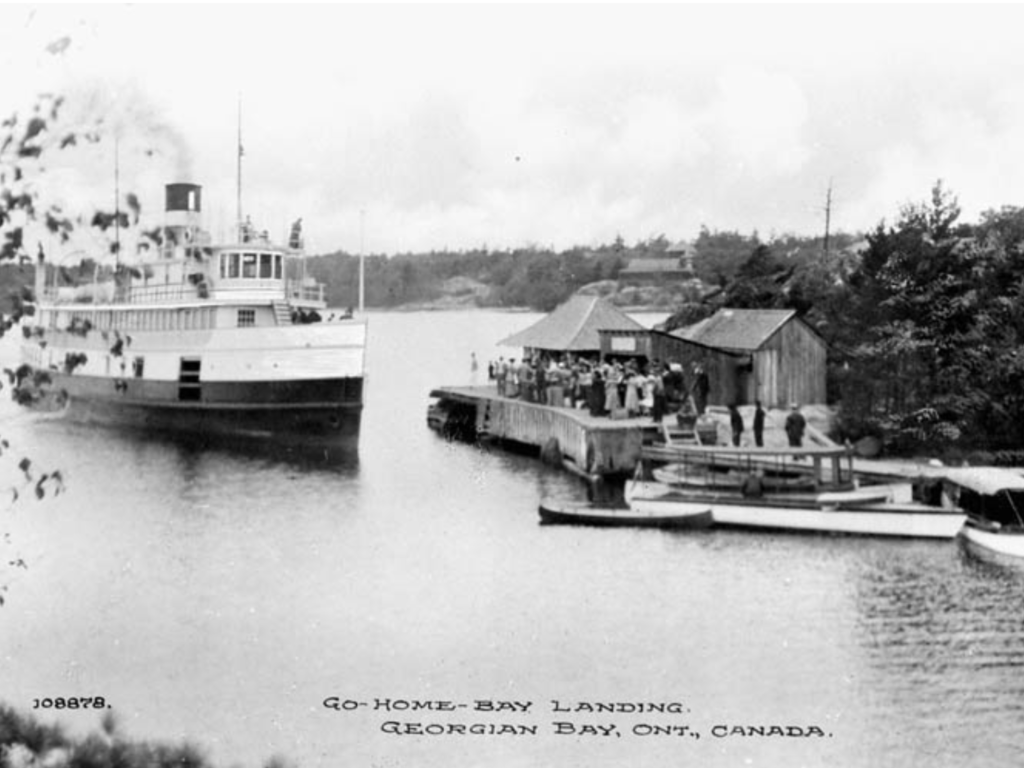
Go Home – a beautiful water access cottage community just north of Cognashene – recently celebrated its 125th anniversary. There are a few stories about how this area was named, the more popular being for the loggers who drove the timber down the Musquash river system into the Bay during the 1800’s – once they had delivered their log booms to the local wharf for transport by steamer, their job was complete and they could “go home”.
By the turn of the 20th century that same wharf began to welcome what would become the original “Go Home” cottage settlers, along with supply ships throughout the summer months bringing mail, visitors, and sundries. Today it is still the social hub of the community, hosting many get togethers for the local cottage association members to participate in.
With Transport Canada’s recent approval of Electronic Visual Distress Signals (eVDSD) for pleasure craft vessels, I decided to do a little research into this newer technology to see what benefits they offer boaters.
I focused on the following three priorities: ease of use, safety factor, and environmental impact to determine if they are a better option than traditional pyrotechnic flares. And here is what I found:
When out on the Bay I like to do quick periodic checks of forecasts, especially when enjoying a long dinghy day trip. Tired of going to the various websites I decided to compile everything I need onto one page so I can quickly access the information from my phone or tablet.
Note that this is not a substitute for regular MAFOR updates and you will need cell/internet service to access these (which is not available in all areas on the Bay). And it is always best to monitor Channel 16 on your VHF for marine warnings from Canada Coast Guard.
After clicking a link and viewing the info, if you wish to return to my page use the arrows on your browser, not the “X” or you will leave my site.
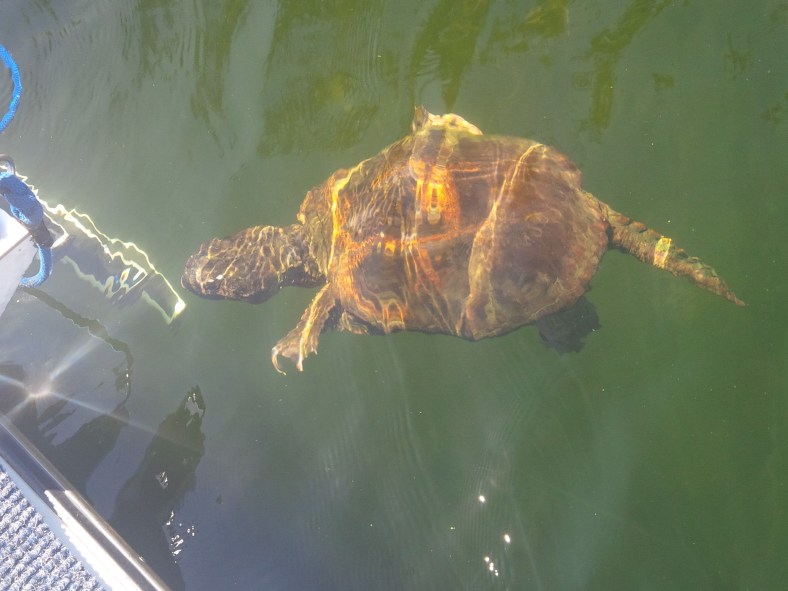
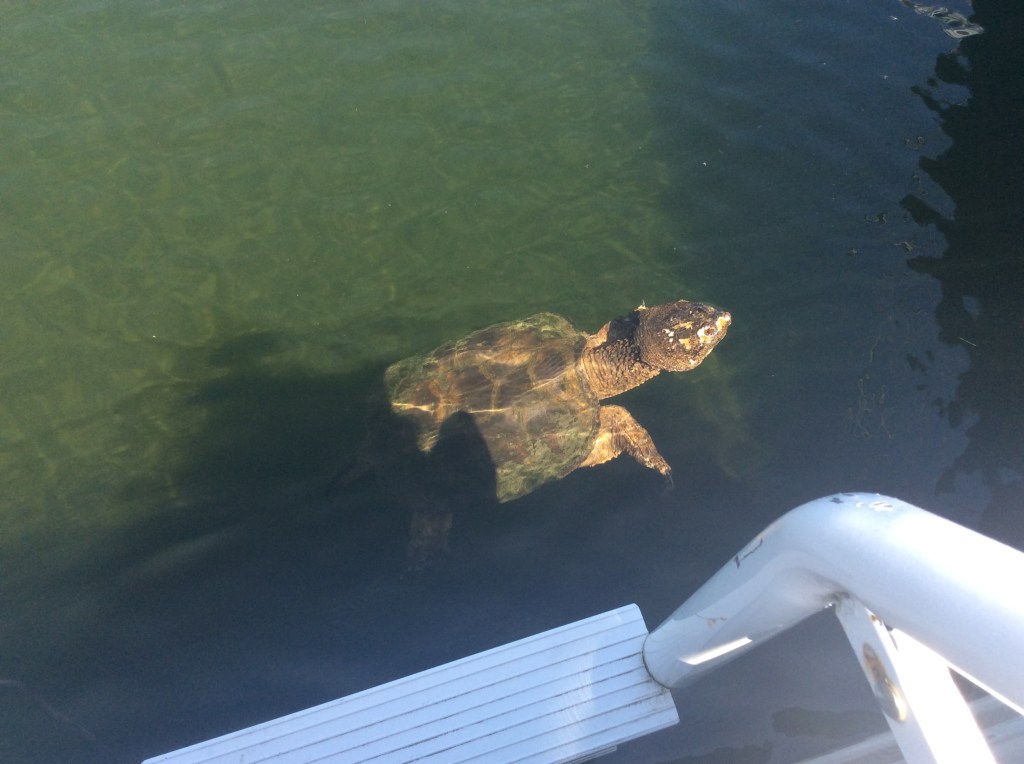
The arrival of spring means just a few more weeks until these beauties emerge from their hibernation habitats and with two things on their mind – to find food and a little “tail”!
Snapping Turtles are the largest freshwater turtle in Canada and noted as “Special Concern” under the Ontario Endangered Species Act. Their biggest threats are from people or environmental factors such as predators invading the nests and habitat loss. During the winter they remain underwater, buried in mud, only too happy to break free once the ice melts and the days begin to get longer.
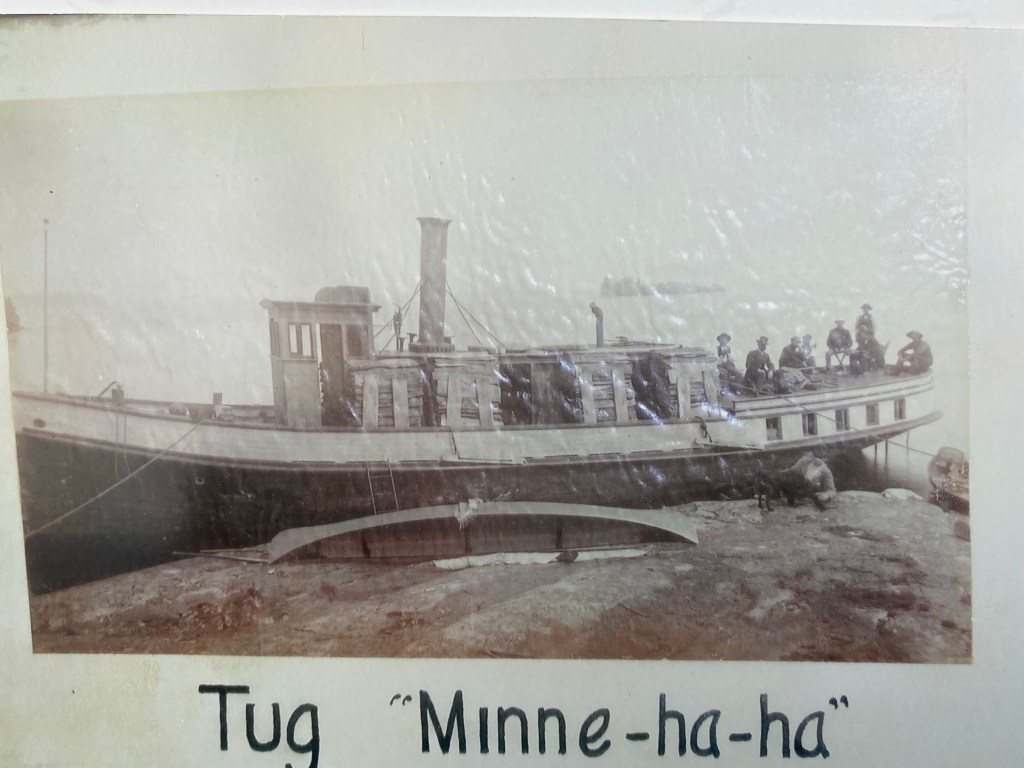
Georgian Bay is a treasure trove of 1800’s and early 1900’s shipwrecks, many which are easily accessible to divers and snorkelers. Today I am giving a shout out to one lonely forgotten tug – the “Minne-ha-ha” – resting on the bottom of the Bay since her foundering over 125 years ago.
Built in 1882 for a Parry Sound lumber merchant, the “Minne-ha-ha” carried mostly logs and other freight between Parry Sound and Penetanguishene until her demise in 1895.
In those early days many of the tugs that worked the Bay were also instrumental in carrying messages and mail along their routes – they were one of the few forms of communication between ports at the time.
And perhaps the most important message this particular tug delivered during her short life was in her first year of service. The “Minne-ha-ha” was forever recorded in maritime history as the tug that made the journey from Parry Sound across the Bay to Collingwood to deliver the tragic news of a large passenger ship sinking – the “Asia” – and in which over 100 lives were lost. One of the worst Great Lakes disasters in history!
A massive storm quickly took down the top heavy “Asia” in September of 1882 leaving only two young survivors out of the 100 plus passengers and crew. Luckily their life boat drifted towards Parry Sound where they were eventually rescued and the “Minne-ha-ha” carried their heart breaking story to Collingwood. To this day the Asia has never been located although many have searched; below is a link about the loss:
A few years later, in October of 1895, the tug was on her regular route traveling southbound from Parry Sound to Penetanguishene when she encountered her own tragedy. The tug hit a rock off One Tree Island outside the western entrance of Indian Harbour, about half way to her final destination. She drifted south and ended up sinking after catching fire. No lives lost and after more than a century of sitting on the bottom, there is not a lot left of her. Below is the registry of her demise:
During the boating season I am likely her only visitor and on sunny days parts of her hull, keel and some stringers are visible from my kayak. Snorkeling over her I was able to capture a clear video of her full length; the tug sits in about 15’ of water and with the sun in the right position, she is quite visible.
I love Georgian Bay maritime history and the stories that come with it, both the ships and the people. Back then it was a completely different world on the Bay – they didn’t worry about wakes from passing boats or if their latest Navionics update was working, instead they worried about making it home alive!
Georgian Bay is a fierce beauty with a quick temper – when her winds start to blow and her big waters churn there is never much time to seek shelter. And in 1895, with no navigational communication such as GPS or Radar, VHF radios or weather reports, I am sure every journey was a challenging one. However the many lives and ships lost to the Bay have helped make boating today a so much safer experience for both Captain and crew.
In the fall, near the anniversary of the tug’s sinking, I like to visit her resting site for the final time before the weather turns. Regardless of her short life and terrible ending, with every visit I somehow feel she gives me back a bit of good luck towards my own boating adventures on the Bay. At least that’s my story!






 Georgian Bay Beauties: Find Your Wilderness!