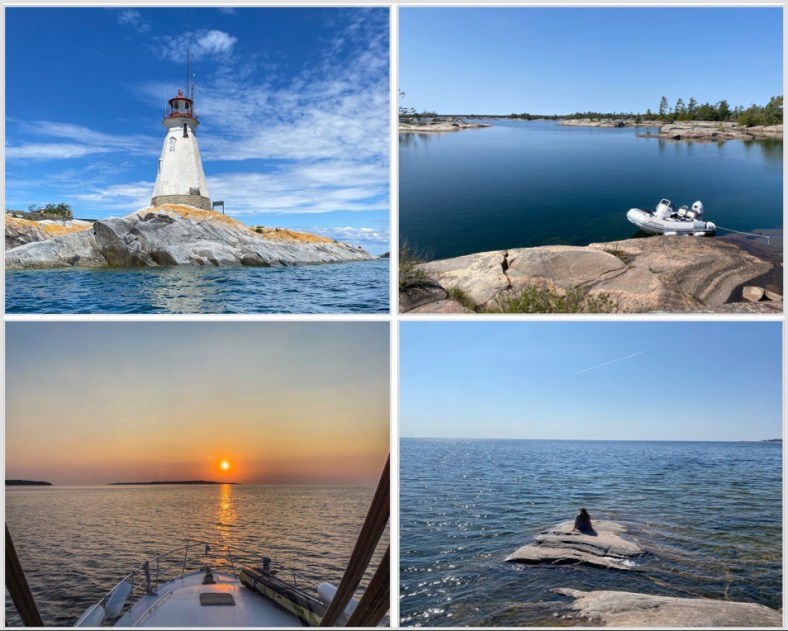
During my Toronto Boat Show’s “30,000 Islands” seminar, a common question asked by attendees, especially boaters new to the Bay was “where do you recommend we go?” Well, that’s an easy one for me to answer! Georgian Bay’s eastern coast is an absolute treasure trove of destinations filled with fun activities for boaters, regardless the size or type of vessel!
Wide open water for the good days, secluded tree lined anchorages for the bad; all with great swimming, paddling, fishing, and hiking. Add in stunning sunsets, star-filled night skies, sugary sand beaches, delicious local food, amazing history and you will never want to leave! But how/where to combine all of that into a one week cruise?
To make the ‘where to go/what to do’ part easier, here is my “Taste of the Bay” itinerary which is a “short haul” trip but ticks all of the boxes above. This is ideal for boaters new to the Bay who wish to venture out and try some interesting places plus learn a little about Georgian Bay along the way. And all locations are pet friendly so nobody gets left out on this trip!
When spring arrives to Georgian Bay my boat planning begins as we like to be launched, provisioned and most importantly out on the boat enjoying the Bay by the first weekend in May, sometimes even earlier if it’s been a warm spring.
Boating early in the season can be one of spectacular beauty and quiet solitude, plus cold air and water create great visibility due to such low rate of evaporation.
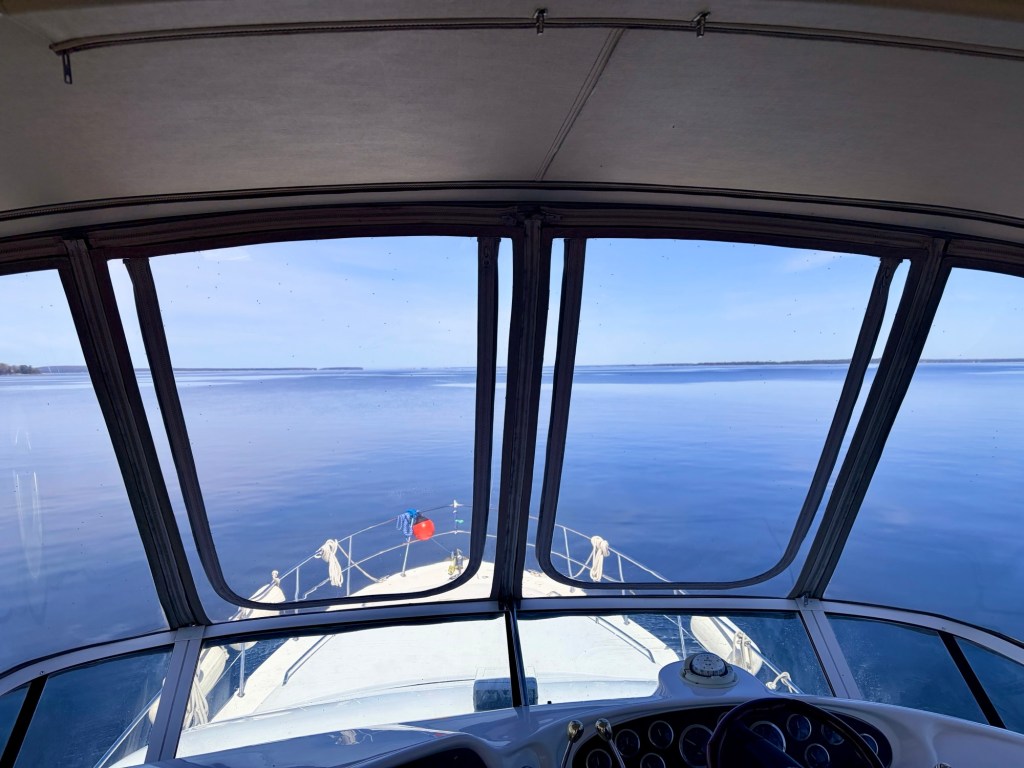
Departing Midland April 26, 2026
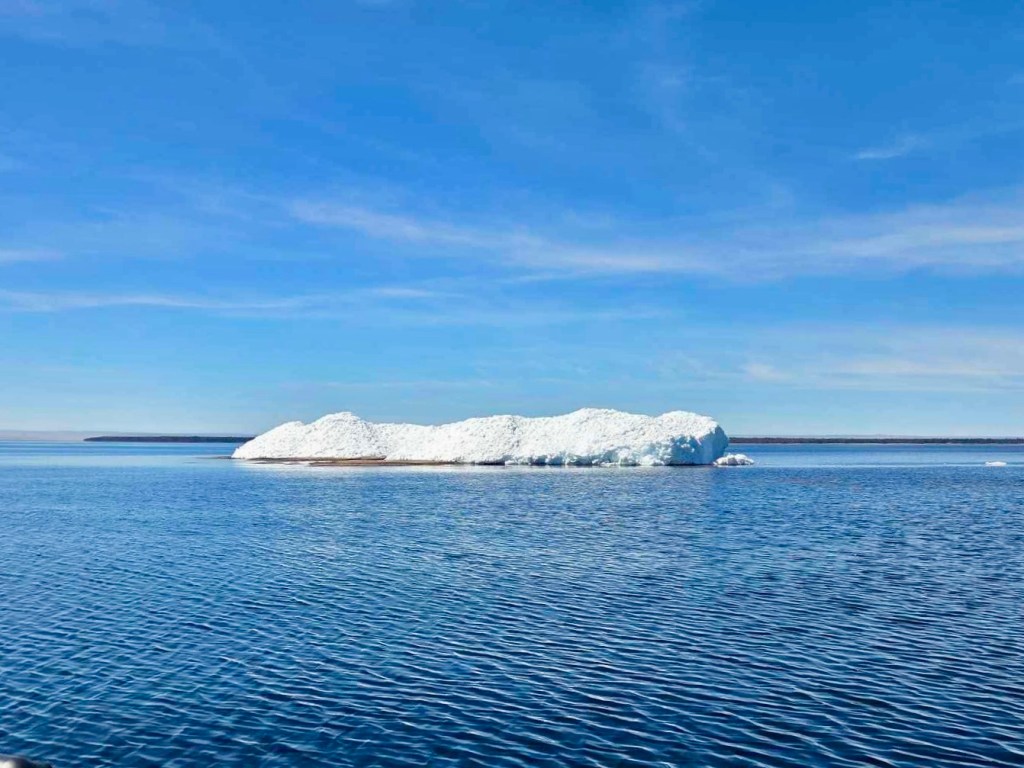
And sometimes you see things you’d never see later in the season!
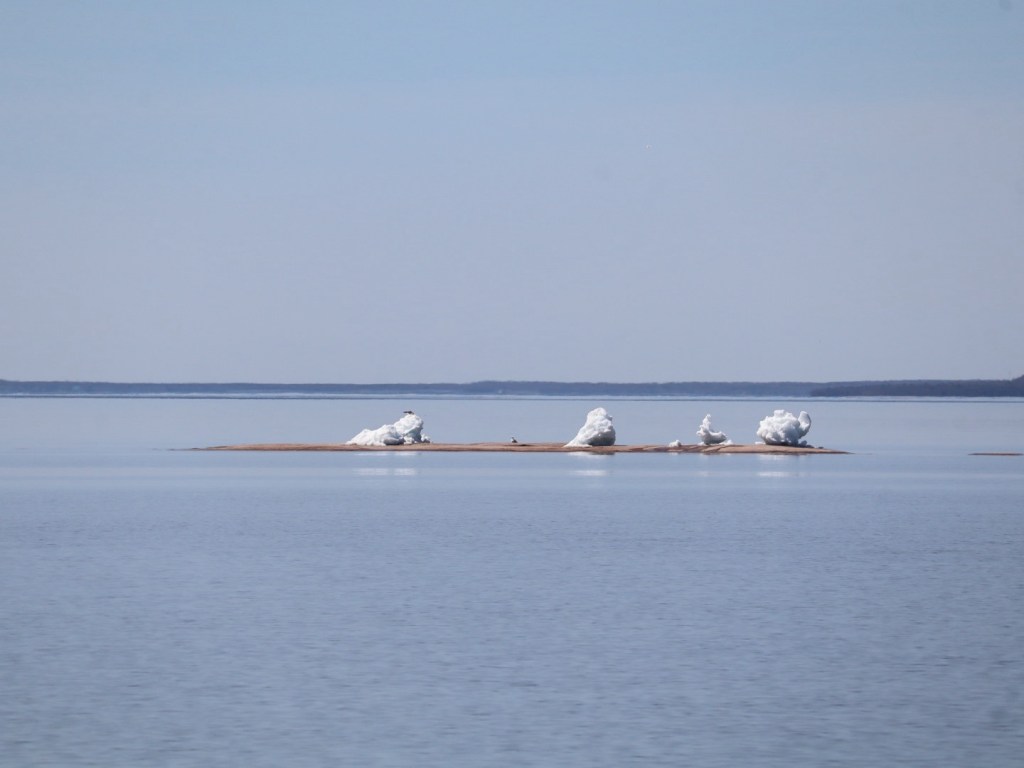
Photo above is of an ice island (all ice – the rock is flat, sitting right at water level) situated east of Giants Tomb, April 17, 2026 (courtesy Trevor Sherwood). Below is my photo when I passed by April 26th but from the distance they at first looked like floating ice bergs!
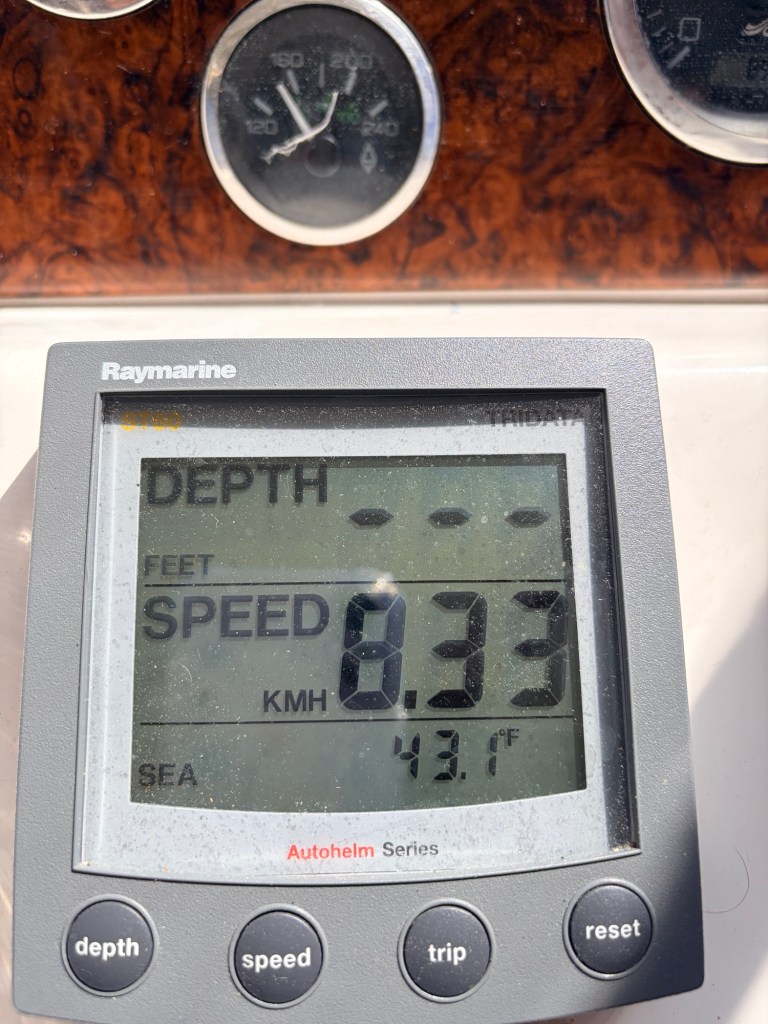
The cold water is the scariest part of early spring boating but we’ve also encountered navigational buoys off station or missing, much more debris in the water from local homes and cottages along shore – once we saw a floating dock! – and sometimes the winter ice lifts a few deadheads off the bottom so captain and crew need to be on the watch! And then don’t forget the dreaded chore of climbing out of bed in the frigid morning to greet the icy toilet seat! 😱
All kidding aside, this is a critical time to ensure you are well prepared and have a good safety plan in the event of an emergency.
My worst early season boating experience to date happened about 20 years ago. It was early May, my husband and I were bringing our new-to-us power boat home to Georgian Bay from Sarnia. It was our maiden voyage and while on Lake Huron, about 2 hours south of Tobermory, the port shaft snapped in half. The lower half dropped and luckily lodged against the rudder which kept it from exiting the boat and leaving a gaping hole! We continued for two terrifying hours on one engine to Little Tub Harbour where we were hauled out so repairs could begin. We ended up staying on the boat on the parking lot at Tobermory for 5 very cold, rainy days in May! But we appreciated that parking lot – oh yes! – as we shivered and pondered what might have happened to us had the shaft dropped out of the boat! Better a cold parking lot than the bottom of Lake Huron!
And regardless of that one event I still love the early season boating and the serenity that comes with being one of the first few back on the Bay after a long winter!
Here are a few tips we try and follow to keep ourselves safe and maximize our enjoyment on the water early season:
1. Check Canada Coast Guard NAVWARNS:
During the winter some of the navigational buoys get pushed off their station which can be very confusing to boaters who are unprepared or trying to navigate unfamiliar waters. Canada Coast Guard posts alerts for the buoys that have been reported and has an online interactive map you may access to check the area you will be traveling through. However don’t assume it is up to date and if you wish to report a buoy off station, call Canada Coast Guard on vhf 16 or Prescott at 1-613-925-0666.
During April and early May there are not many cottagers or other boaters on the Bay so if you encounter an issue don’t wait for a passerby. Your first call should be to Canada Coast Guard on vhf channel 16 (or *16 on your cell) and then 911.
The IRB (Inshore Rescue Boat) Stations, located at Britt and Brebeuf Island, are open from mid-May until early September. They are staffed by Canada Coast Guard trained university students and have fairly fast search and rescue vessels. Also, depending on the nature of your emergency, a call to the closest marina would be prudent. Most marinas on the Bay start opening mid-April and would likely have a vessel in the water they could use to reach you if needed.
3. Reboarding and PFD’s:
It is essential to have a quick and easy re-boarding plan and ensure all on board understand and are comfortable with the method to be used. A person will not last long in 50 degree F water and the faster they can be removed the better.
We wear our PFDs the majority of the voyage and, upon arrival at our destination, will also wear them when we go out on deck at night or in the early morning, at least until the water temperature warms.
4. Equipment:
After our shaft episode I don’t like to travel too far from shore over cold water without a dinghy! And when traveling in the dinghy, I try to stay near shore.
And unless you are a cold weather survivalist, spring boating is most comfortable with a generator on board or some source of warmth. And don’t forget that spare impeller!
5. Communication:
File a float plan with a reliable friend and check in occasionally.
If you see a navigational buoy off station, report it to Canada Coast Guard on vhf channel 16.
6. Added warmth:
One of my necessities for sleeping on a cold boat is heated throws! We have two for the bed and one hour before bedtime we run the genny with them on high heat. That really helps take the chill out of the bed!
7. Lastly and most important – follow the expert’s advice!:
One of my personal favorites is the Canadian “Cold Water Boot Camp”put together by the Canada Safe Boating Council, Transport Canada and National Search and Rescue. If you haven’t visited this website it’s a must if you are planning to be out on the water this month. They provide a wealth of information about surviving cold water and what to do in the event of hypothermia. And it is presented in a fun and easy-to-follow format. Maybe you will even want to volunteer to be a future “camper”! Here is the link:
And an added note about this website – check out their graph on chances of surviving cold water based on body mass! Those of us with a few extra curves will survive way longer!! 😁
And although these tips won’t cure you of the cold morning toilet seat blues, hopefully they will give you the resources needed to help extend your season!
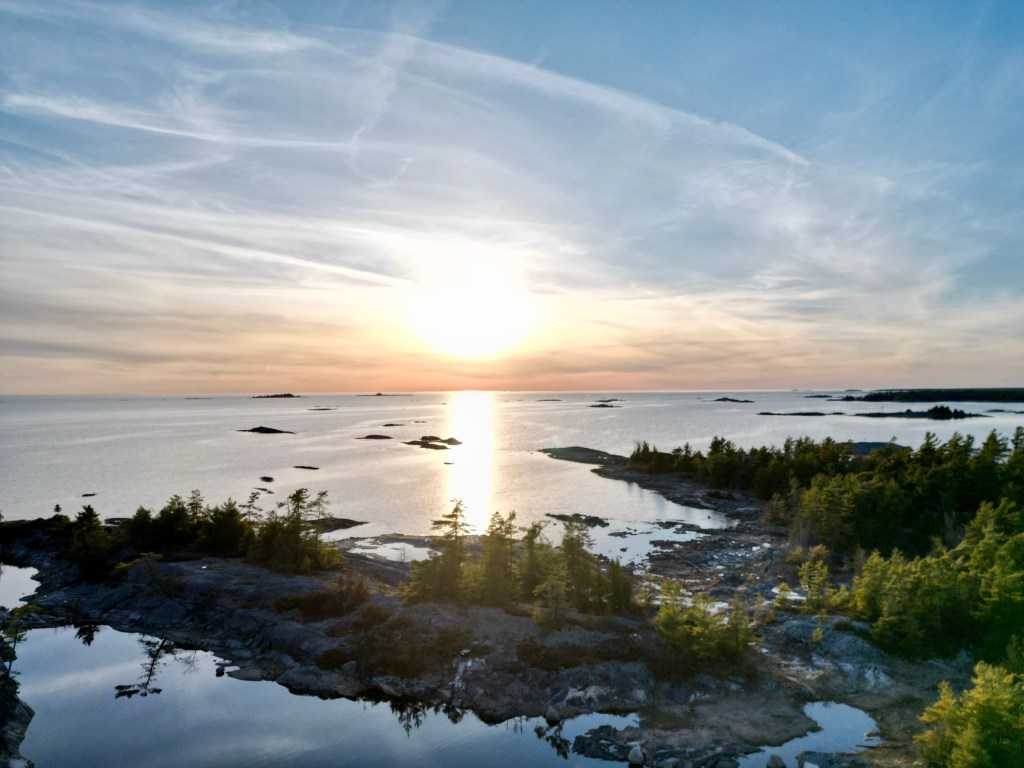
An April sunset ❤️
Below are some further links to information on the stages of hypothermia and what to do should you become immersed:
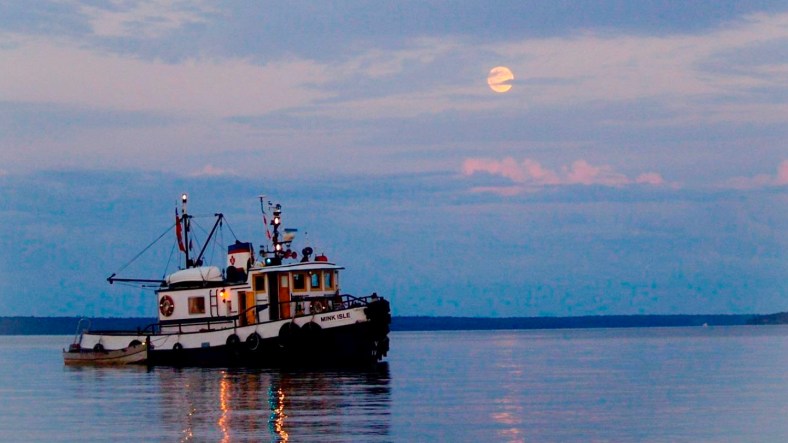
Spring time on Georgian Bay and the “Boys are Back in Town”!
For over 30 years this family owned and operated tow and salvage company has plied the waters of Georgian Bay and Lake Huron, providing assistance to mariners in distress and performing various essential marine operations.
Goodbye fall, hello winter! Looks like our warm weather luck has run out – over the past 2 days temperatures have plummeted almost 20 degrees celsius on the Bay! But we can’t complain – our fall has been filled with sunny days, warm southerly winds, little precipitation – a perfect time for being outside and enjoying some late season recreational boating!
Although Thanksgiving weekend arrived with some fluffy white stuff brought in by streamers off the Bay, it only lasted 5 minutes and gave those of us on the water an amazing view followed by sunshine again!
The falls at Go Home are a great place to visit by dinghy or small boat, the journey being just as fun as the destination!
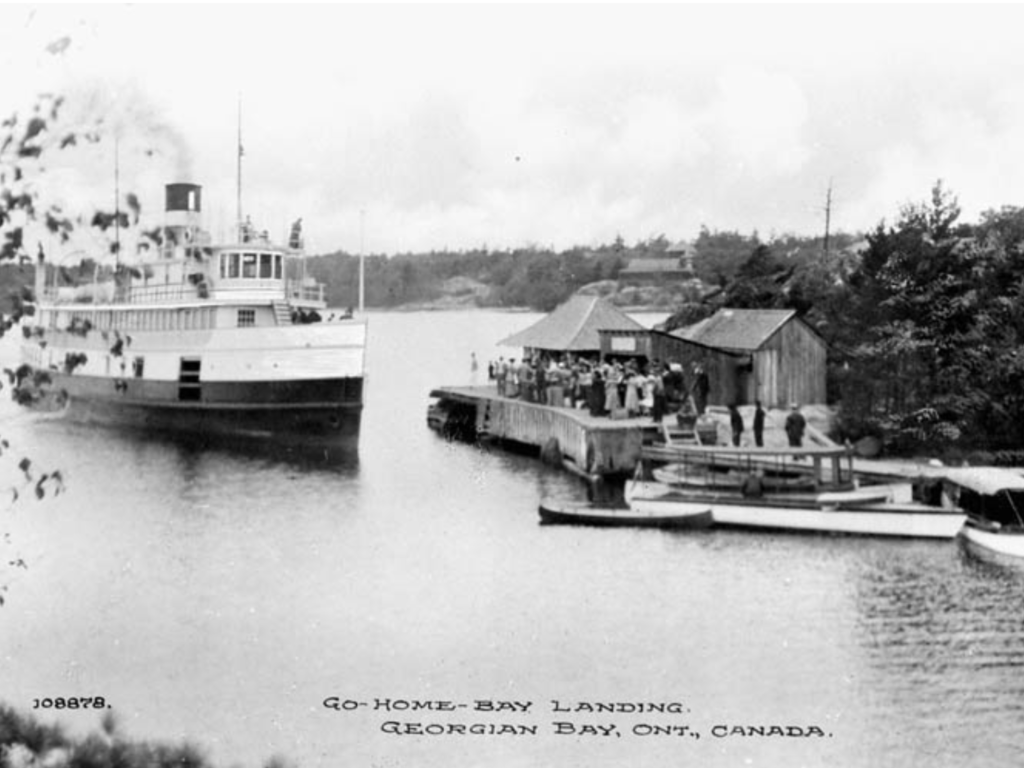
Go Home – a beautiful water access cottage community just north of Cognashene – recently celebrated its 125th anniversary. There are a few stories about how this area was named, the more popular being for the loggers who drove the timber down the Musquash river system into the Bay during the 1800’s – once they had delivered their log booms to the local wharf for transport by steamer, their job was complete and they could “go home”.
By the turn of the 20th century that same wharf began to welcome what would become the original “Go Home” cottage settlers, along with supply ships throughout the summer months bringing mail, visitors, and sundries. Today it is still the social hub of the community, hosting many get togethers for the local cottage association members to participate in.