Georgian Bay, the “6th Great Lake”, has so much incredible history and even holds a few world records! Here are 10 fun facts about the Bay:
Continue reading “Ten Fun Facts about Georgian Bay (plus one special bonus!)”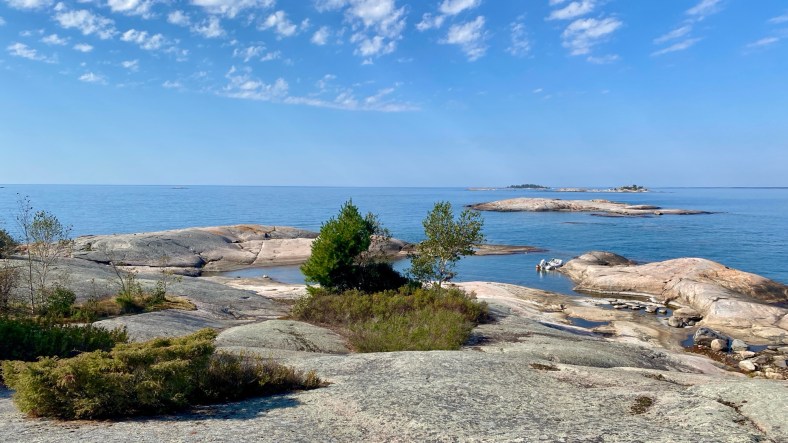
Georgian Bay, the “6th Great Lake”, has so much incredible history and even holds a few world records! Here are 10 fun facts about the Bay:
Continue reading “Ten Fun Facts about Georgian Bay (plus one special bonus!)”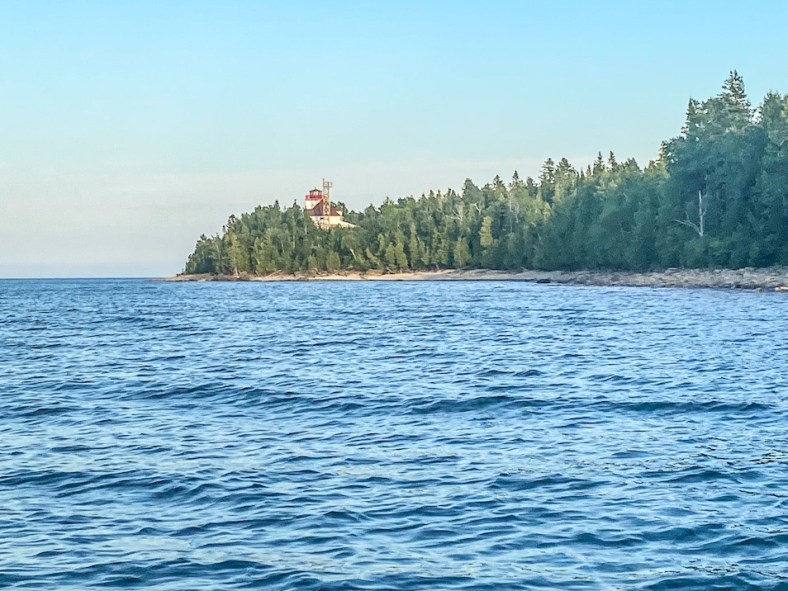
Situated on the remote northeast point of the Bruce Peninsula overlooking Georgian Bay, Cabot Head Light Station was just a few short years ago a drive-up tourist “destination” with museum, picnic area and gift shop! Sadly this property with it’s stunning views of the Bay now sits abandoned, looking more like a ghost town!
The light station boarded up, sidewalks crumbling, picnic areas overgrown with brush, the only road in barely passable by car. Reasons for the abandonment? From what I understand there were/are three main ones: road access/maintenance, hazardous contamination, and lack of funding – each made all the more difficult to resolve due to the isolated location of the property.


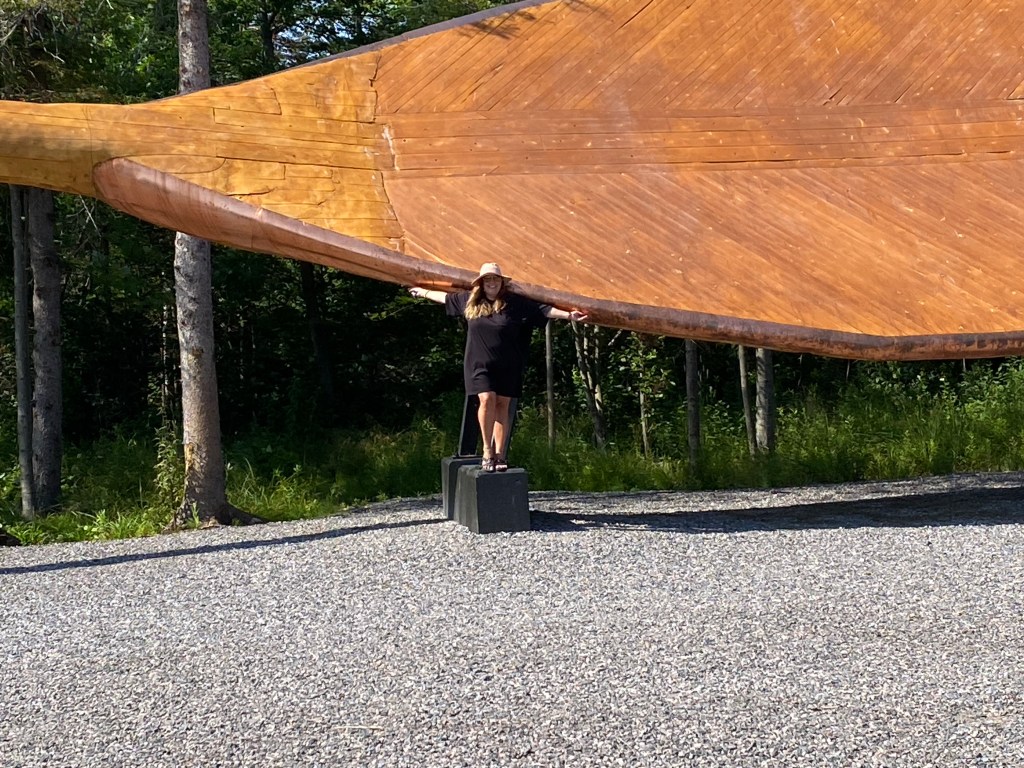
A visit to Killarney Mountain Lodge would not be complete without a photo op beside the largest paddle in the world!
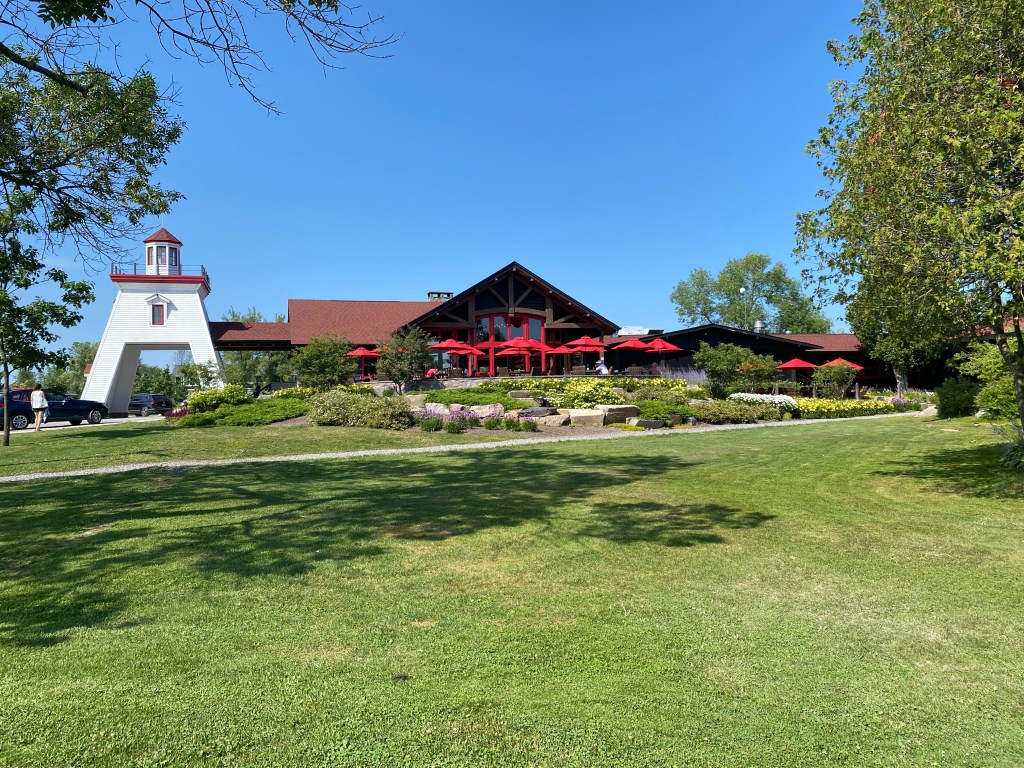
Fondly named “The Big Dipper” by the builder – expedition paddler Mike Ranta – the paddle was completed in 2020 to commemorate the 200th anniversary of the founding of Killarney, Ontario.
Built of eastern white cedar and pine, the paddle is 107’ long and 17’ wide at the blade. Situated beside “Canada House”, it overlooks the Bay and contains a time capsule that will be opened in the year 2220.
Continue reading “The Big Dipper”
Georgian Bay is a treasure trove of 1800’s and early 1900’s shipwrecks, many which are easily accessible to divers and snorkelers. Today I am giving a shout out to one lonely forgotten tug – the “Minne-ha-ha” – resting on the bottom of the Bay since her foundering over 125 years ago.
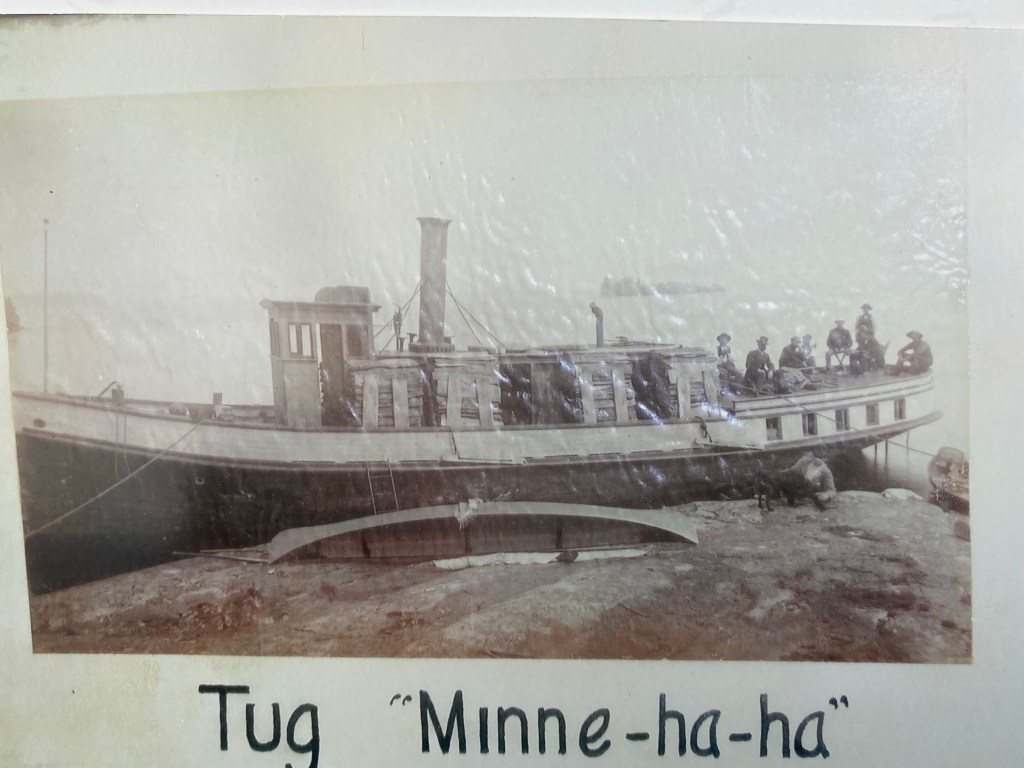
Built in 1882 for a Parry Sound lumber merchant, the “Minne-ha-ha” carried mostly logs and other freight between Parry Sound and Penetanguishene until her demise in 1895.
In those early days many of the tugs that worked the Bay were also instrumental in carrying messages and mail along their routes – they were one of the few forms of communication between ports at the time.

And perhaps the most important message this particular tug delivered during her short life was in her first year of service. The “Minne-ha-ha” was forever recorded in maritime history as the tug that made the journey from Parry Sound across the Bay to Collingwood to deliver the tragic news of a large passenger ship sinking – the “Asia” – and in which over 100 lives were lost. One of the worst Great Lakes disasters in history!

A massive storm quickly took down the top heavy “Asia” in September of 1882 leaving only two young survivors out of the 100 plus passengers and crew. Luckily their life boat drifted towards Parry Sound where they were eventually rescued and the “Minne-ha-ha” carried their heart breaking story to Collingwood. To this day the Asia has never been located although many have searched; below is a link about the loss:
https://owensoundhub.org/life/10326-the-shipwreck-of-the-s-s-asia.html
A few years later, in October of 1895, the tug was on her regular route traveling southbound from Parry Sound to Penetanguishene when she encountered her own tragedy. The tug hit a rock off One Tree Island outside the western entrance of Indian Harbour, about half way to her final destination. She drifted south and ended up sinking after catching fire. No lives lost and after more than a century of sitting on the bottom, there is not a lot left of her. Below is the registry of her demise:

During the boating season I am likely her only visitor and on sunny days parts of her hull, keel and some stringers are visible from my kayak. Snorkeling over her I was able to capture a clear video of her full length; the tug sits in about 15’ of water and with the sun in the right position, she is quite visible.
I love Georgian Bay maritime history and the stories that come with it, both the ships and the people. Back then it was a completely different world on the Bay – they didn’t worry about wakes from passing boats or if their latest Navionics update was working, instead they worried about making it home alive!
Georgian Bay is a fierce beauty with a quick temper – when her winds start to blow and her big waters churn there is never much time to seek shelter. And in 1895, with no navigational communication such as GPS or Radar, VHF radios or weather reports, I am sure every journey was a challenging one. However the many lives and ships lost to the Bay have helped make boating today a so much safer experience for both Captain and crew.
In the fall, near the anniversary of the tug’s sinking, I like to visit her resting site for the final time before the weather turns. Regardless of her short life and terrible ending, with every visit I somehow feel she gives me back a bit of good luck towards my own boating adventures on the Bay. At least that’s my story!

 Georgian Bay Beauties: Find Your Wilderness!