When my parents retired from recreational boating 25 years ago they bought a three season cottage on a Georgian Bay island where they could live from May until October, enjoying the beauty and magic of the Bay.
And in the time I have spent visiting and vacationing there over the years, I have found one of the most amazing things that never fails to disappoint are the resident animals – our “animals of the hood” as I like to call them.
Located on southern Georgian Bay are three beautiful islands I refer to as Canada’s “Caribbean of the North”, but without the salt!
Hope Island
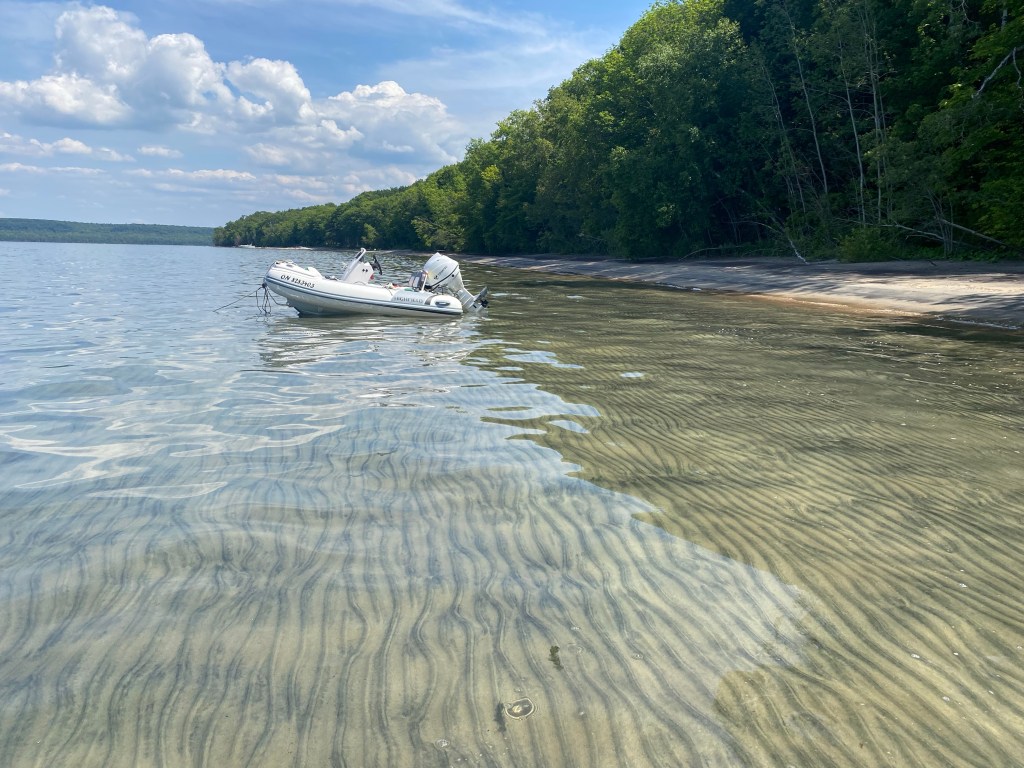
Christian, Beckwith, and Hope Islands are an Ojibwa Indian Reserve, forming part of the Beausoleil First Nation lands (G’Chimnissing). With their golden sandy beaches, clear fresh water, stunning sunsets, and various local shipwrecks to explore, it’s no wonder these islands are so popular with the local boaters during the summer months.
Little Sand Bay, east side of Christian
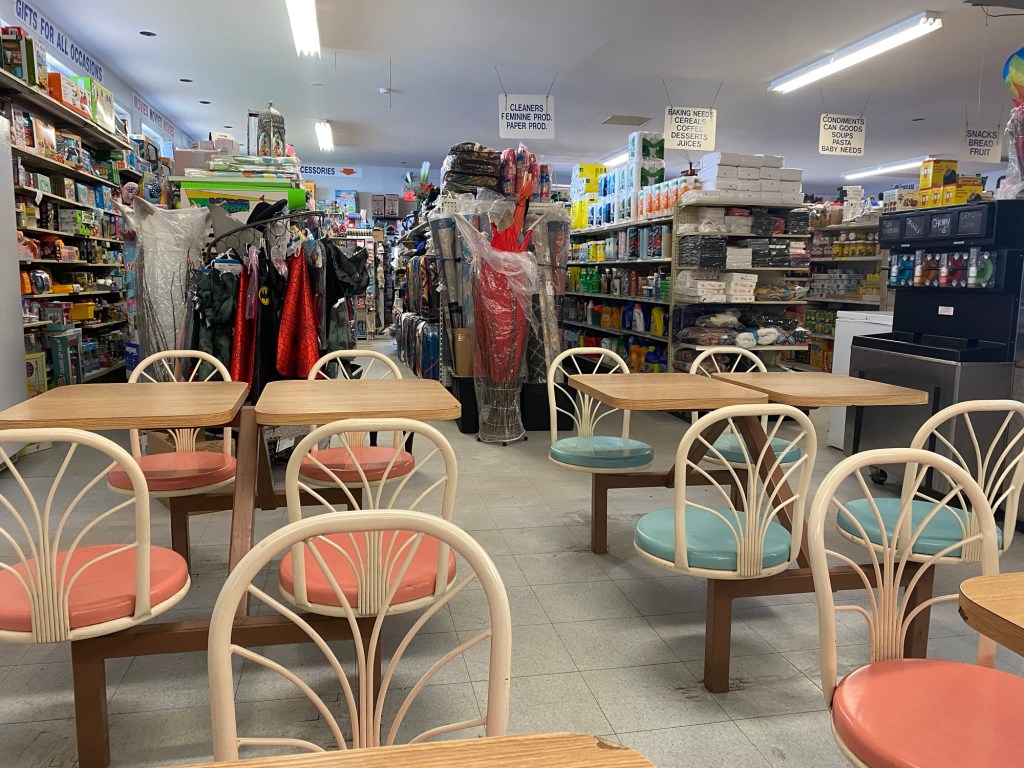
Christian, the only island with year round residents, seasonal cottages and provisioning – fresh/frozen and a lunch grill – has a ferry service that connects it to the mainland. For boaters, Little Sand Bay on the east side is a favorite anchorage and with good protection from all west winds.
Bayshore Variety, Christian Island
And Christian is a great island to explore by dinghy! At its south end sits one of the six “Imperial Towers” – lighthouses erected in the 1850’s. There are four of these on Georgian Bay – at Griffith, Nottawasaga, Christian and Cove Islands plus two others on Lake Huron. Constructed mainly of thick white washed limestone, these 85’H towers (except Christian which is 55’) played a critical role in creating safer commercial shipping routes during the late 19th and early 20th centuries. She still stands proud watching over the boaters travelling through the narrow pass at the south end of Christian.
Christian Island LighthouseLittle Sand Bay, Christian
Slightly east of Christian is Beckwith Island which has great anchorages on both the east and west sides. It is a favourite for local cottagers to day visit and recreational boaters to overnight. It does get quite busy during the summer months when camp sites are available to reserve for a fee.
Anchorage on east side of Beckwith
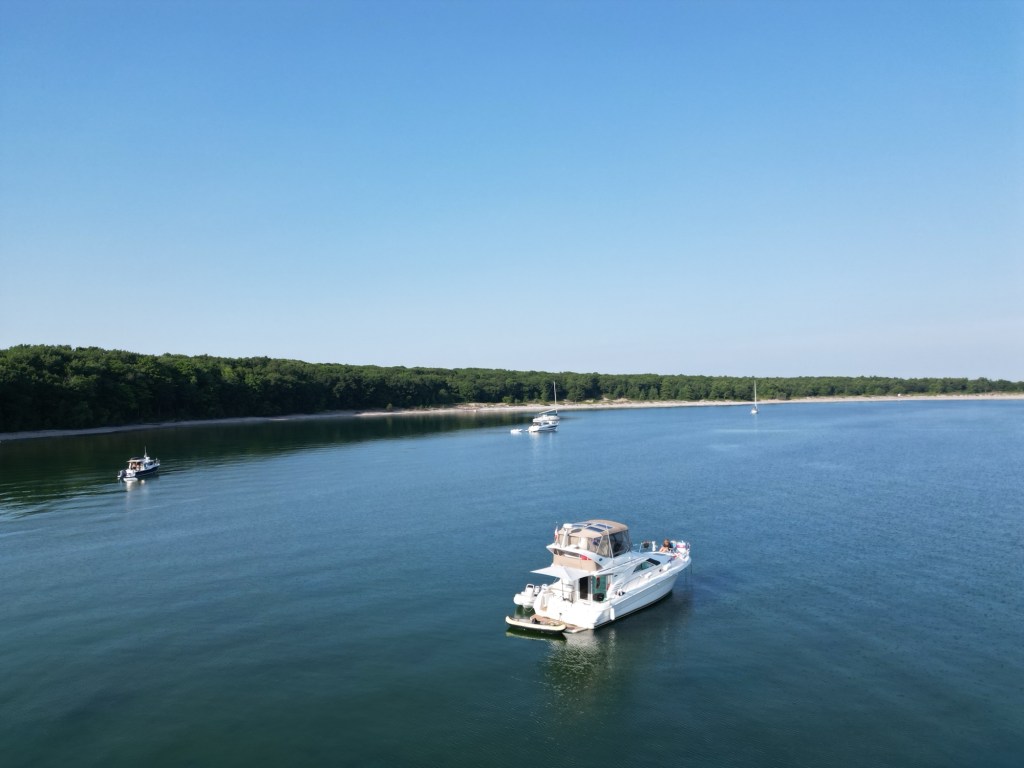
And my personal favourite – Hope Island – is the northern most of the three but still only a 10 minute dinghy ride in distance. This island also had a lighthouse however sadly it was demolished in 2017 due to the maintenance costs. Hope attracts a quieter crowd and has a slightly larger anchorage than the others.
Hope Island anchorage
If the water is calm be sure to visit one of the many shipwrecks in the area such as the “Michigan” which lies in shallow water on the north side of Hope and is easily visible from your dinghy.
The “Michigan” ship wreck
Close to most southern Georgian Bay marinas (approx 20 nautical miles) these beautiful islands offer an oasis for boaters, a place to bury your toes in the warm sand and enjoy the crystal clear waters and beautiful sunsets of Georgian Bay!
The word “Beausoleil” translates into “Beautiful Sun” and that’s exactly what this southeastern Georgian Bay Island offers visitors throughout the summer months.
Coordinates: N44 52’ 60”, W79 50’ 51”
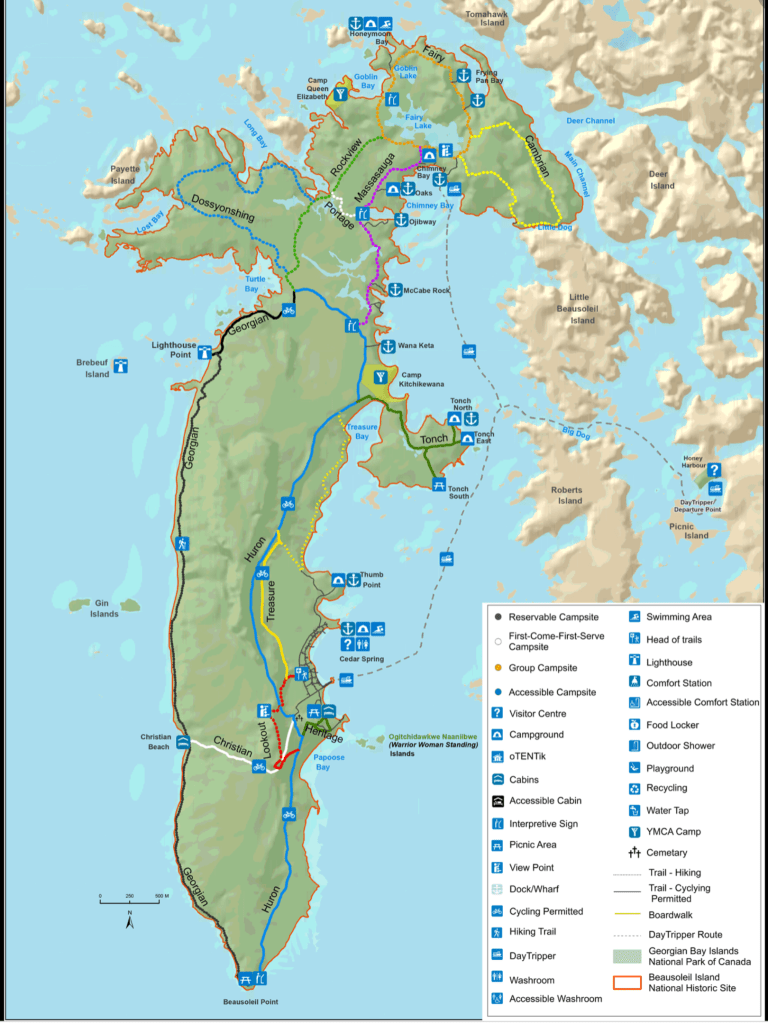
For boaters arriving to Georgian Bay via the Trent Severn Waterway, Beausoleil Island is one of the first major anchorages you will encounter. Located just north of Midland, it is 8 km long and the largest within the Georgian Bay Islands National Park.
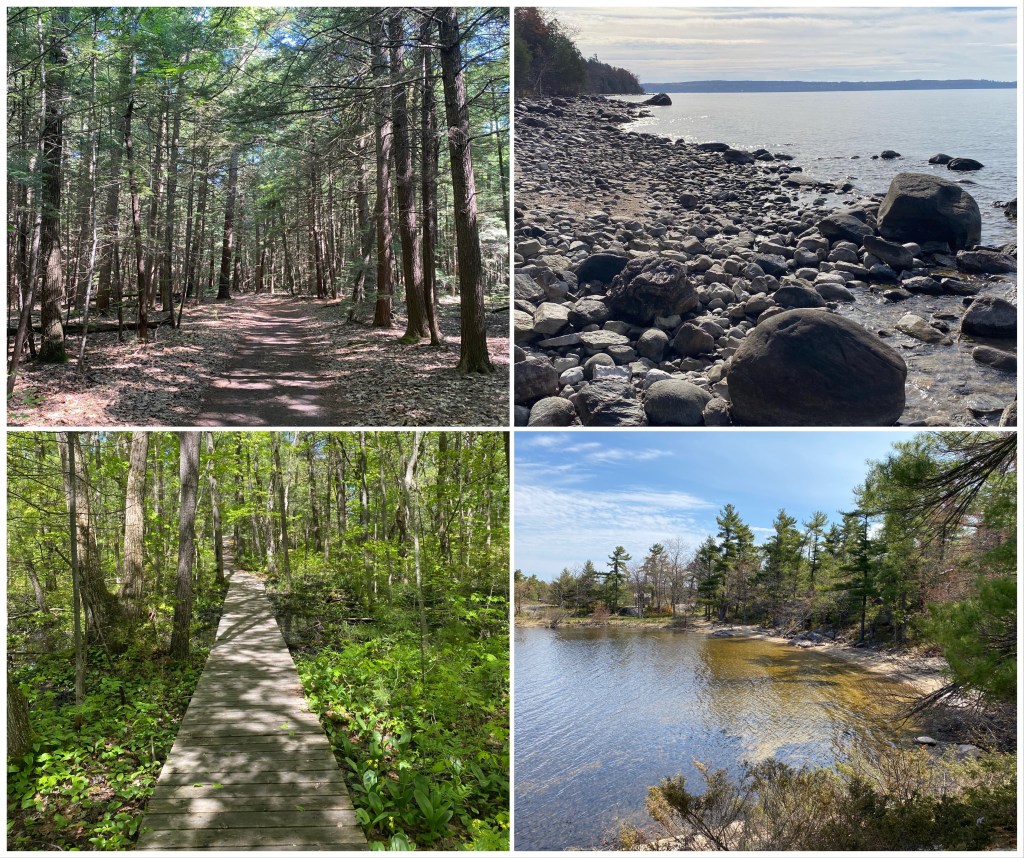
Being situated on the edge of the Canadian Shield, the island’s unique topography combines beautiful bare rock and windswept pines on its northern shores with hardwood forests and wetlands on its southern shores.
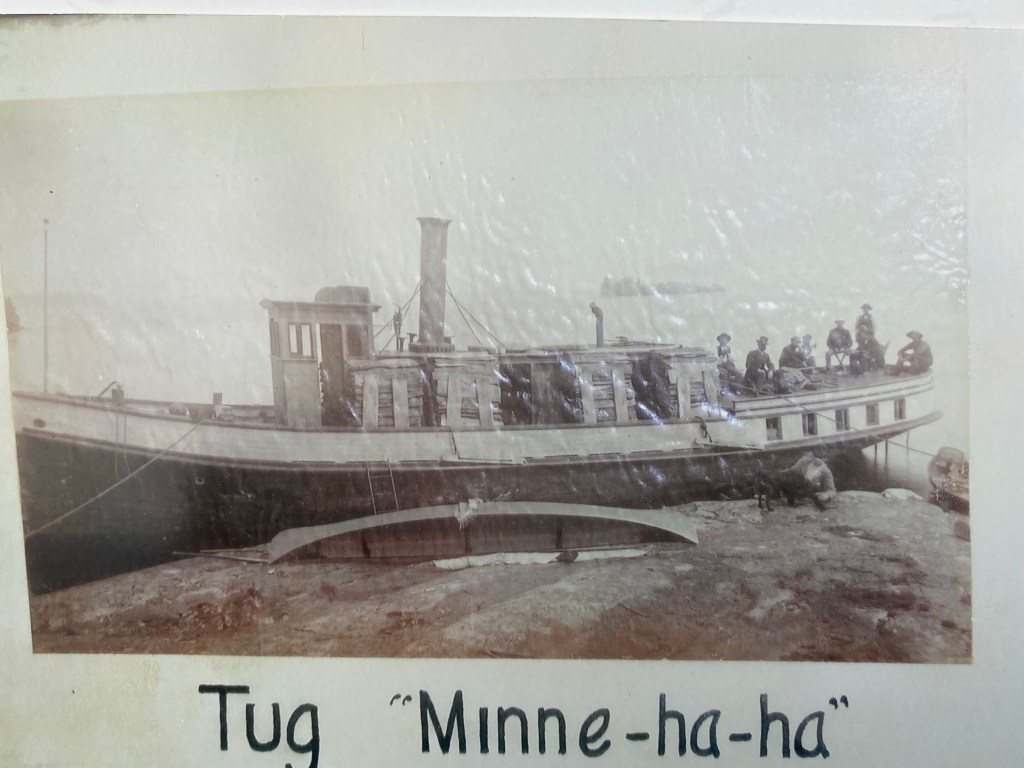
Georgian Bay is a treasure trove of 1800’s and early 1900’s shipwrecks, many which are easily accessible to divers and snorkelers. Today I am giving a shout out to one lonely forgotten tug – the “Minne-ha-ha” – resting on the bottom of the Bay since her foundering over 125 years ago.
Built in 1882 for a Parry Sound lumber merchant, the “Minne-ha-ha” carried mostly logs and other freight between Parry Sound and Penetanguishene until her demise in 1895.
In those early days many of the tugs that worked the Bay were also instrumental in carrying messages and mail along their routes – they were one of the few forms of communication between ports at the time.
And perhaps the most important message this particular tug delivered during her short life was in her first year of service. The “Minne-ha-ha” was forever recorded in maritime history as the tug that made the journey from Parry Sound across the Bay to Collingwood to deliver the tragic news of a large passenger ship sinking – the “Asia” – and in which over 100 lives were lost. One of the worst Great Lakes disasters in history!
A massive storm quickly took down the top heavy “Asia” in September of 1882 leaving only two young survivors out of the 100 plus passengers and crew. Luckily their life boat drifted towards Parry Sound where they were eventually rescued and the “Minne-ha-ha” carried their heart breaking story to Collingwood. To this day the Asia has never been located although many have searched; below is a link about the loss:
A few years later, in October of 1895, the tug was on her regular route traveling southbound from Parry Sound to Penetanguishene when she encountered her own tragedy. The tug hit a rock off One Tree Island outside the western entrance of Indian Harbour, about half way to her final destination. She drifted south and ended up sinking after catching fire. No lives lost and after more than a century of sitting on the bottom, there is not a lot left of her. Below is the registry of her demise:
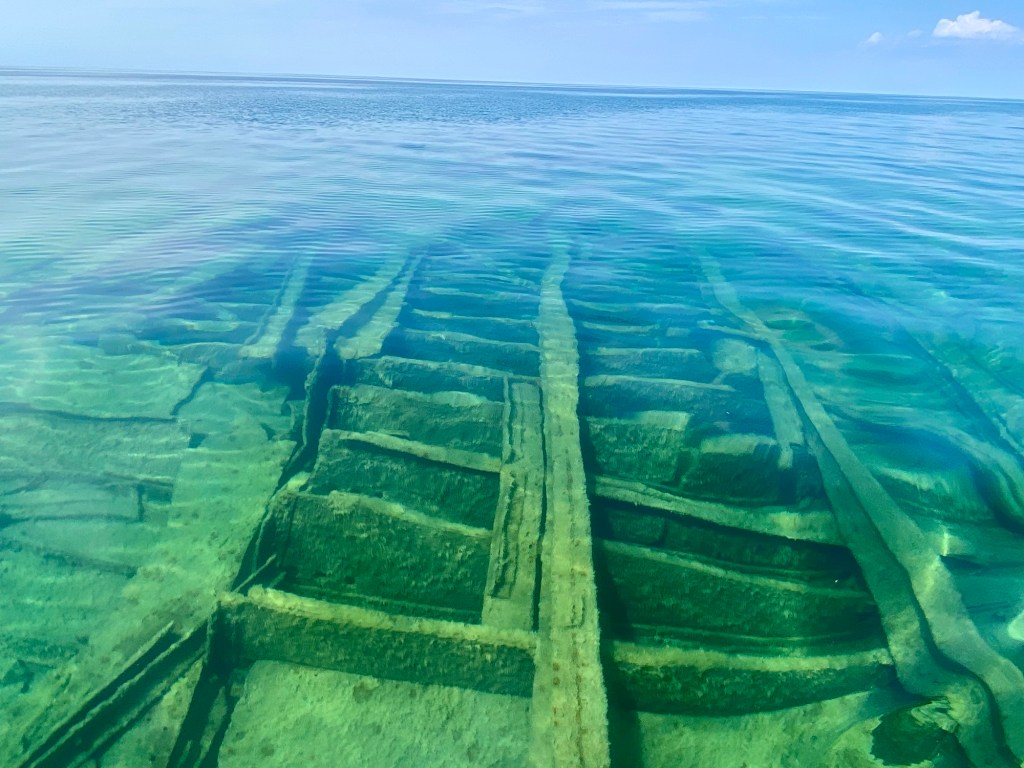
During the boating season I am likely her only visitor and on sunny days parts of her hull, keel and some stringers are visible from my kayak. Snorkeling over her I was able to capture a clear video of her full length; the tug sits in about 15’ of water and with the sun in the right position, she is quite visible.
I love Georgian Bay maritime history and the stories that come with it, both the ships and the people. Back then it was a completely different world on the Bay – they didn’t worry about wakes from passing boats or if their latest Navionics update was working, instead they worried about making it home alive!
Georgian Bay is a fierce beauty with a quick temper – when her winds start to blow and her big waters churn there is never much time to seek shelter. And in 1895, with no navigational communication such as GPS or Radar, VHF radios or weather reports, I am sure every journey was a challenging one. However the many lives and ships lost to the Bay have helped make boating today a so much safer experience for both Captain and crew.
In the fall, near the anniversary of the tug’s sinking, I like to visit her resting site for the final time before the weather turns. Regardless of her short life and terrible ending, with every visit I somehow feel she gives me back a bit of good luck towards my own boating adventures on the Bay. At least that’s my story!








 Georgian Bay Beauties: Find Your Wilderness!